Chapter 2: Mira’s hair is auburn. Chapter 19: she pushes back her black hair.
An attribute you settled, quietly drifting.
CANON-E013
Asten keeps the record a good editor keeps: the facts you settle about your story, like a hair color, a death, or the day the harbor burned. When a page disagrees, it takes a red pencil to the margin. It never writes a word for you, and your manuscript never leaves your computer.
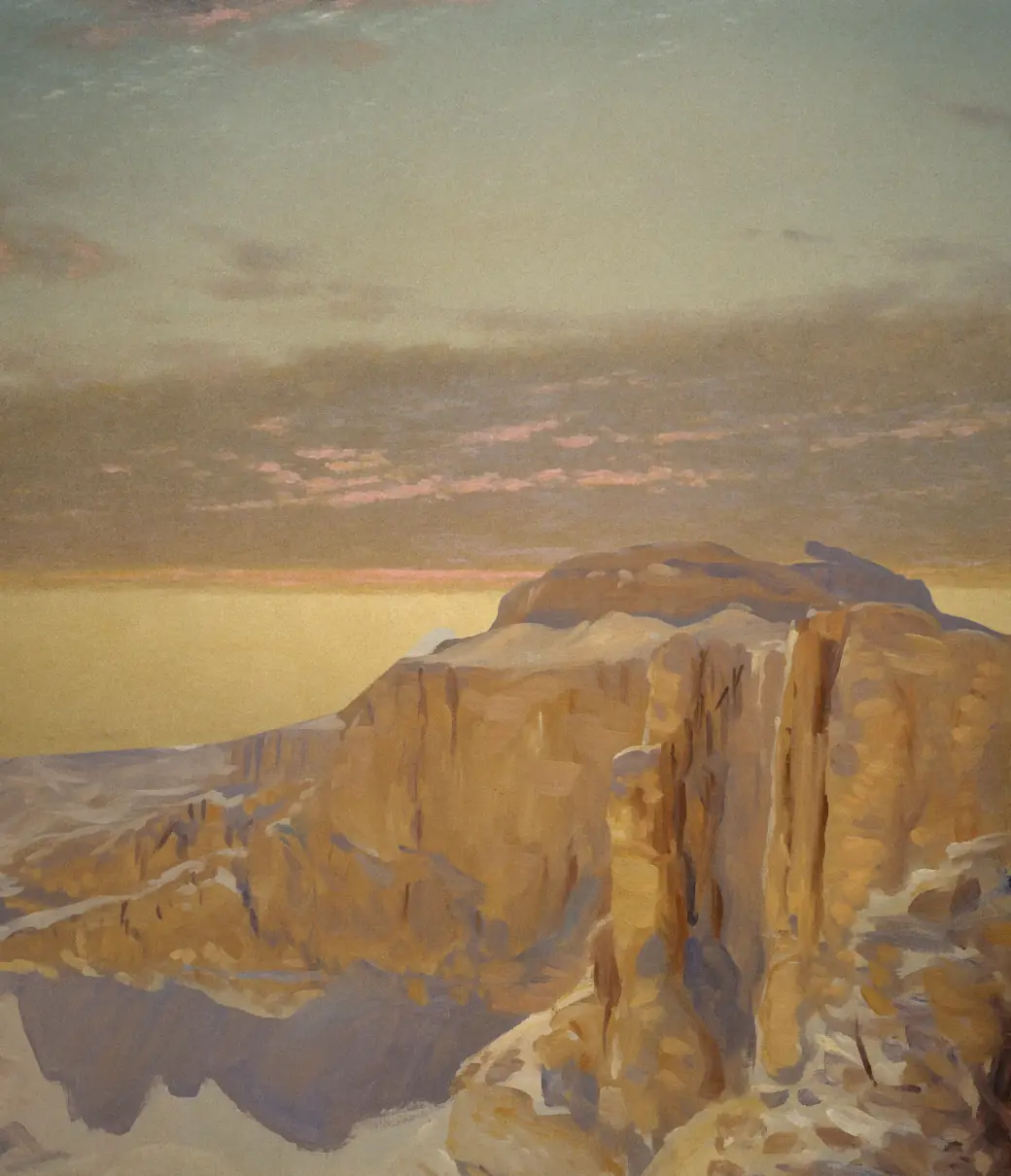
Mara Vell climbed the last ninety steps with the oil can knocking against her knee. Mara’s grey eyes stung in the wind.
When she turned back, the lamp at Gull Point was out. Mara’s brown eyes found the headland and found nothing there.
Chapter 2 gives Mara brown eyes. Chapter 1 settled them as grey. The pencil circles “brown eyes” and asks which to keep.
CANON-E013A long manuscript is written over months, and a detail set down in chapter 2 is hard to keep in mind by chapter 19. Three common kinds of slip:
Chapter 2: Mira’s hair is auburn. Chapter 19: she pushes back her black hair.
An attribute you settled, quietly drifting.
CANON-E013
Captain Oren dies in chapter 9. In chapter 14 he pours the tea.
A life that continues after a settled death.
CANON-E101
The harbor burns on day 17. The next scene is day 4, and it isn’t a flashback.
Reading order and story time, crossing by accident.
CANON-E201
Once the facts involved are settled, Asten marks each of these in the margin with the code shown. The marks stay on your computer.
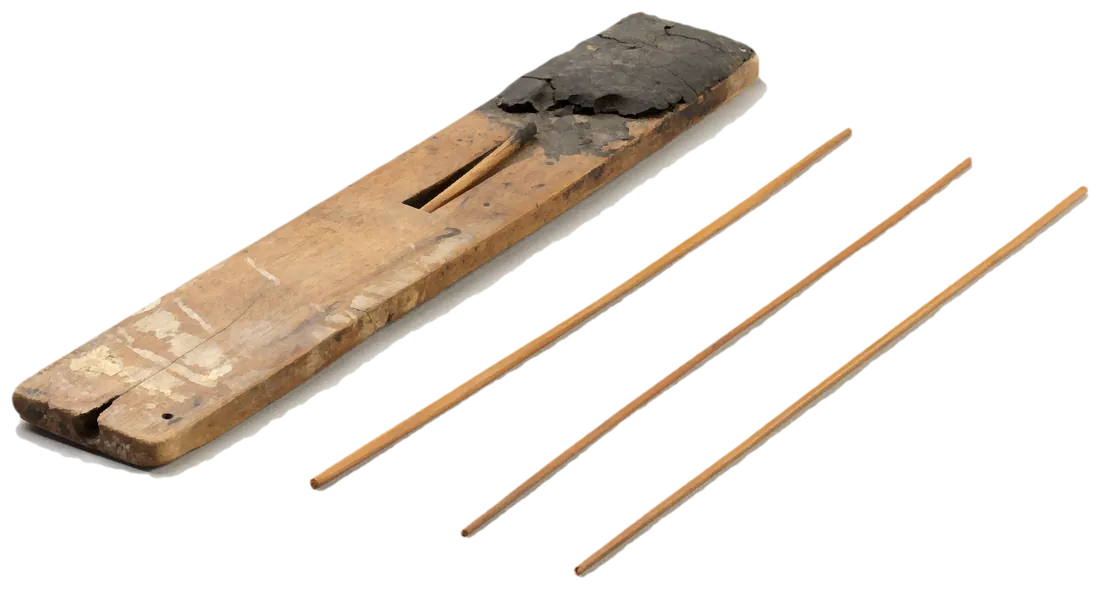
An Egyptian scribe’s palette held two inks: black for the text, red to mark it. Asten follows the same split. It never changes what you write. It adds marks in the margin, each with a code, both sides of the disagreement, and the actions you can take.
Three examples, with the wording Asten’s engine gives each mark. Pick a word on the page and the balance settles. The sentence itself is never changed.
Your page
Mira pushed her black hair out of her eyes and listened for the bell.
Your canon
Mira · hair · auburn
settled in chapter 2
Most likely slip: ② (93%)
Mira’s hair was settled as auburn.
There is no setup step. Asten builds a record of your story from the facts you settle, and adds a mark only when a page disagrees with that record.
Open a scene and type. No setup, no character forms, no world bible required. The binder keeps chapters, scenes, notes, and sources in order.
When a detail matters, settle it as a fact: Mira · hair · auburn. It joins your canon, with a status, an optional span of story time, and a source.
When a later page disagrees with what you settled, Asten marks it in red in the margin with a code, both sides of the disagreement, and your options.
Keep the sentence, update canon, record a change, or silence the rule. Asten records your decision. It never rewrites a word.
The binder on the left, the page in the middle, and Asten’s marks in the margin.
Chapter 19
The tide came in grey over the harbor at Veld, carrying the smell of last night’s fires.
Mira pushed her black hair out of her eyes and listened for the bell.
“You’re late,” Oren said, though he had only just arrived himself.
A calm manuscript editor with a binder, comments, find, page view, and track changes.
Read moreSettle a fact once. Asten marks any page that disagrees, and shows both sides.
Read moreCharacters and other entities with aliases, notes, and the facts you’ve confirmed.
Read moreStory time and reading order, kept separately, so flashbacks are a choice and not a mistake.
Read moreAn optional wall, atlas, and dossier. Spark, sketch, settle. Never a gate.
Read moreDeterministic rules with stable codes, suppressions, snapshots, and an append-only history.
Read moreOptional sets of rules and hints. Turn on what helps; nothing becomes doctrine.
Read moreCompile to Markdown, Fountain, HTML, .docx, EPUB, and Final Draft. Optional Word and Docs add-ins talk to your own machine.
Read moreOne file on your computer. No account, no sync, no telemetry, no training.
Read moreAsten records when each scene happens in the story separately from where it sits in the book. It compares the two only inside a run of scenes you have declared continuous, so a flashback raises no mark.
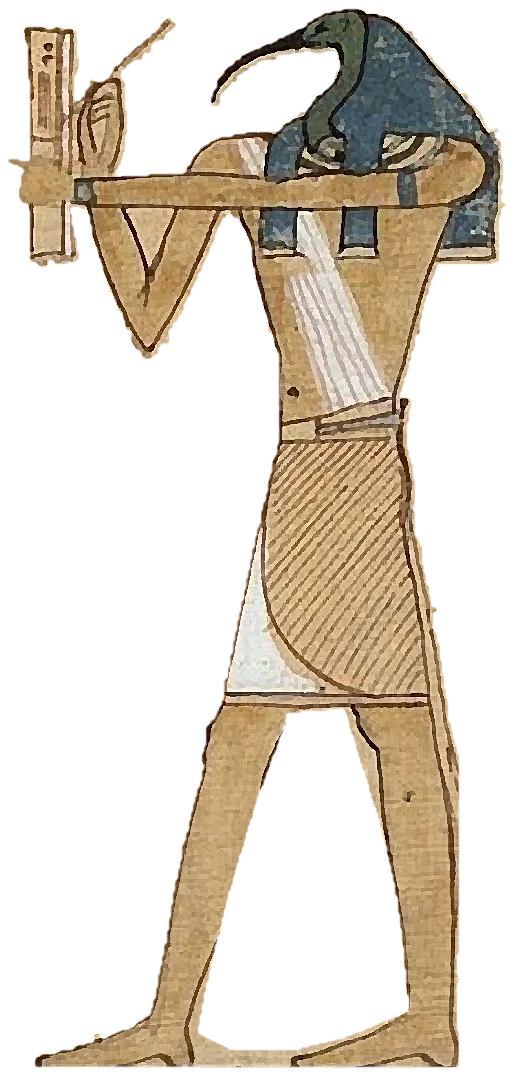
Thoth, keeper of timeA story retold by Plutarch says Thoth won five extra days from the moon, so that a birth forbidden on every day of the year could happen on days that belonged to no month.
Reading order · run “The siege”, continuous
Story time
No scene in the run steps backward in story time. A scene taken out of the run is not compared.
No clock marks.
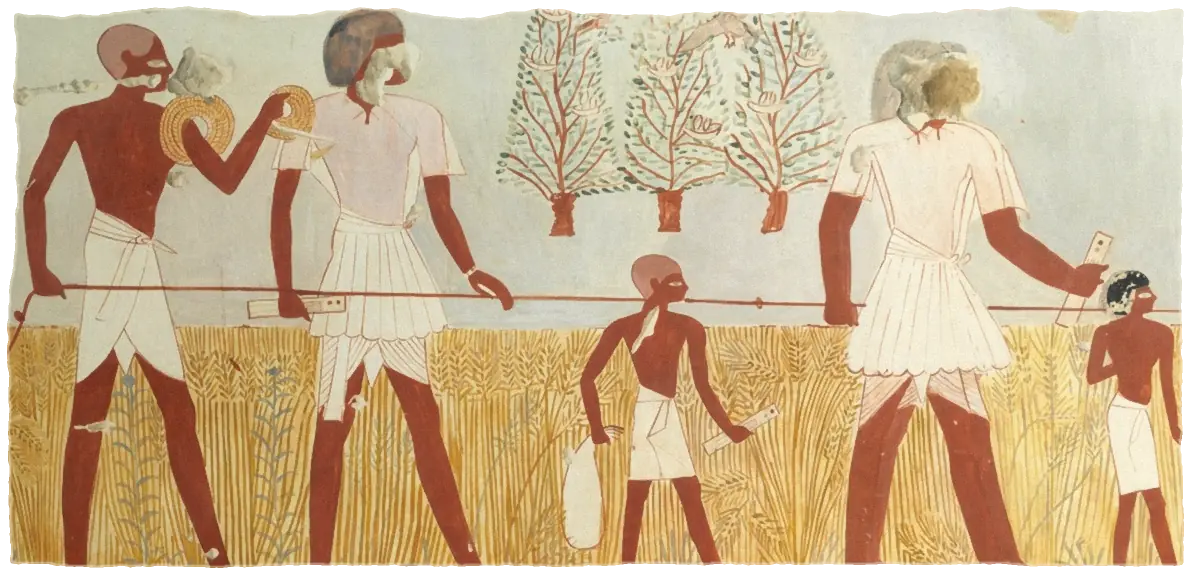
Places, histories, and rules can be kept as sparks, sketches, or settled entries. Only settled entries become canon, and none of it is required before you write.
Below the sand
Veld sits east of the reef, two days’ sail from the capital. Pinned on a rough map.
For long manuscripts where details drift between chapters.
For novelistsFor fantasy and science-fiction writers whose world is bigger than the book.
For worldbuildersFor scripts with timelines, reveals, and a cast that has to stay straight.
For screenwritersFor writers keeping their own version of an existing canon.
For fan-fiction writersFor people who use AI daily and want a writing tool that draws a clear line.
For ai tinkerers
Each project is one SQLite file on your own disk. Asten has no account, no sync, and no telemetry, so nothing in it sends your manuscript anywhere.
No model runs inside Asten. The checks are rules with stable codes, and the same project always produces the same marks. The planned perception models are small local classifiers that propose facts for you to confirm; they do not generate text.
$ curl -s -H "authorization: Bearer $ASTEN_TOKEN" \
    127.0.0.1:4317/api/v1/projects/$PROJECT/story/diagnostics

CANON-E013  warning
Mira's hair was settled as auburn.

① Settled: Mira · hair · auburn
② Chapter 19 says: “black” (Chapter 19)
③ No event between an unplaced time and day 40
   changes Mira's hair.
Most likely slip: ② (93%)
Fixes: Add an event · Mark the scene as a
   memory · auburn holds until day 39 · Retire
   “auburn” · Silence this mark · Keep my sentence
What works in the current code, what does not exist yet, and what Asten will not do.
The tedious half of writing is remembering what you already decided; the half that makes a book yours is everything else.
Read
Readers forgive a lot, but they notice when the dead captain gives an order.
Read
Your story has two clocks, and most timeline mistakes happen when you only watch one of them.
ReadOpen the workbench in your browser on a sample novel, or download release 0.0.1b for Windows or Linux.