Brand guidelines and press kit
The Asten brand in one page: the idea, the mark, the scribe’s pigments, the type, the registers, the art, the motion, and the voice. Press can download the logo files at the bottom.
Jump to downloadsThe idea
Asten is another name for Thoth, the Egyptian god of writing, who recorded the verdict at the weighing of the heart without deciding it. Egyptian scribes wrote in black and marked in red. So: the writer’s words are black ink, Asten only ever writes in red, and the author always decides. Every brand choice follows from that.
Logo: the Palette mark
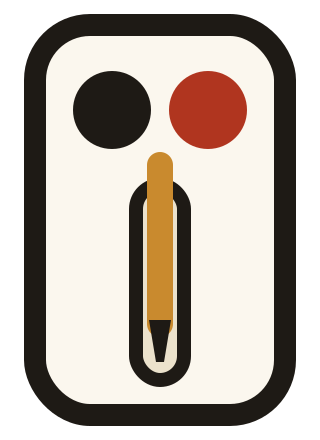
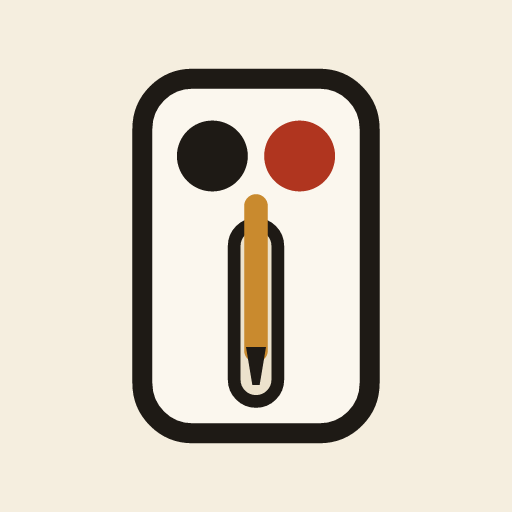
A scribe’s palette seen from above, after the hieroglyph for scribe and writing (Y3): one black well for the writer, one red well for the editor, and a reed pen at rest in its slot.
Do
- Keep the right-hand well red in full-colour use.
- Give the mark one well-diameter of clear space.
- Use the cartouche only for ceremonial places: footer, social cards, press, splash.
Don’t
- Swap the wells, or make both red.
- Add gradients, gold foil, bevels, or shadows.
- Set “Asten” in Papyrus, Cinzel, or any faux-Egyptian face.
- Put the mark inside a pyramid, an ankh, or an eye.
Colour
Egyptian painters used a small mineral palette: carbon, red and yellow ochre, Egyptian blue, malachite, gypsum white, and gold. So do we, always flat. Red is reserved: it means Asten is speaking.
#F5EEDFPage background#FBF7EECards and the writing page#ECE2CCAlternating registers#1E1A15Text: the writer’s voice#B0351FAsten’s voice: marks and the primary action#1F3F77Links, focus, interactive state#2E6B4ESettled canon and success#B98419Stars and ornamentIllustration pigments
#2B62B0Turquoise #3D9A94Yellow ochre #C98A2EGold #D9A631Flesh #A9532ENatron #FFFCF5Sand #DCC597Night #0F1A2ERough ratio: 70% papyrus, 15% carbon, 7% blue, 5% red, 3% gold and green. Every text pair meets WCAG 2.2 AA in both the day (papyrus) and night (lapis) themes. Red never carries meaning alone: every mark also has a code and words.
Typography
All self-hosted, all under the SIL Open Font License.
Let AI be your editor.
The tide came in grey over the harbor at Veld. Mira pushed her auburn hair out of her eyes and listened for the bell.
CANON-E013 Mira · hair_color · auburn
Layout and ornament
Egyptian walls are organised in horizontal registers, each standing on a ground line. Our pages are too. Ornament frames content and never sits behind running text.
Illustration
Two kinds of picture. The painted plates are public-domain works from museum collections, cut and graded to one warm light and laid on the paper, credited on the credits page. The ornaments, icons and diagrams below are original SVG drawings in the Egyptian composite view: head and legs in profile, shoulders and eye frontal, flat pigment fills, carbon outlines, ground lines.
Painted plates
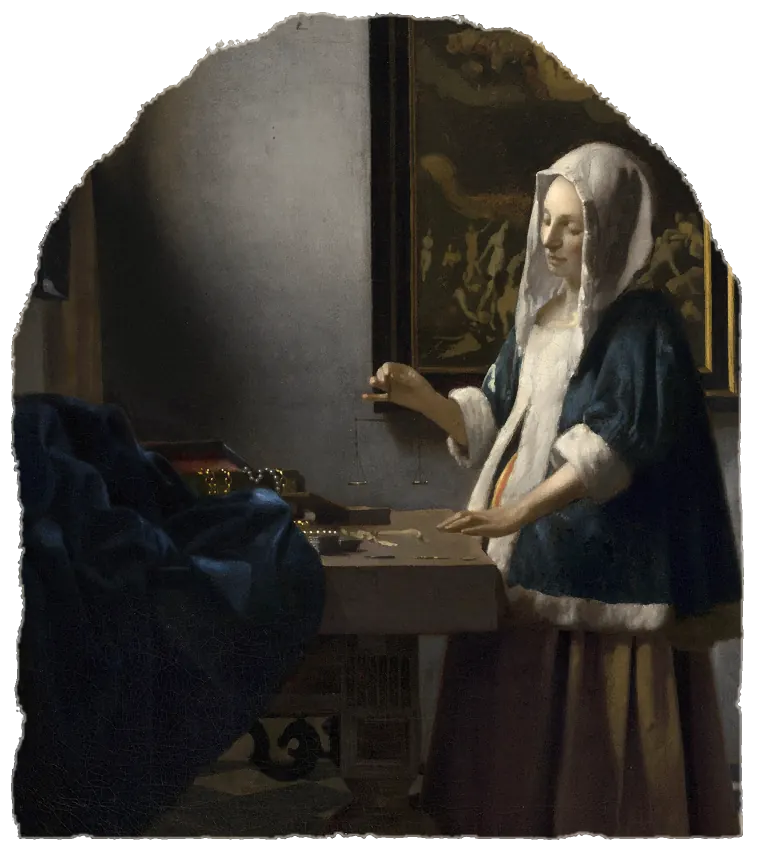
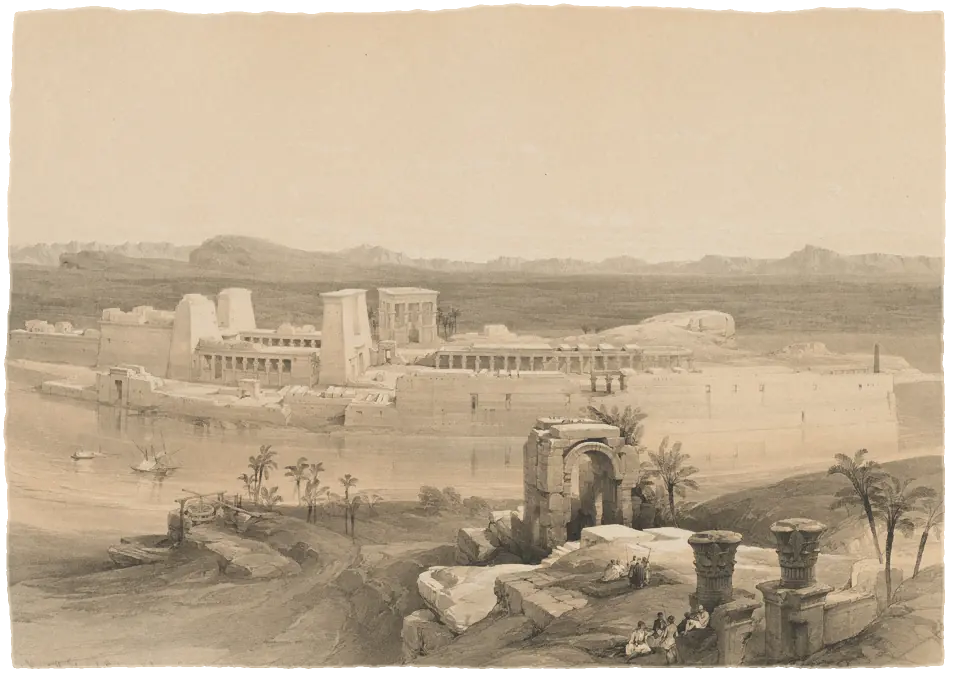
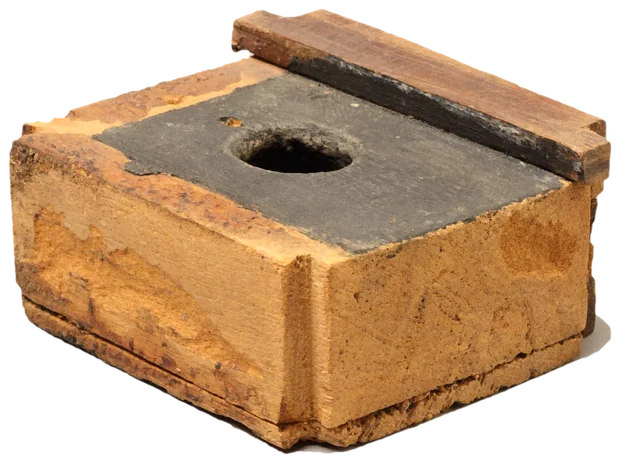
One light for all of them: highlights gained toward warm paper, saturation eased, the blacks lifted a little, a fine grain over everything. A painting or a print is a torn sheet; a window is a round arch with a torn foot; an object is cut from its studio backdrop and stands on the paper alone; a frieze runs as a band across the page. No picture carries a caption: every work is credited, with its holder, its licence and a link, on the credits page.
Drawn ornaments
Icons
Each icon is drawn from a hieroglyph that already meant the thing: the papyrus roll for writing, the feather for truth, the house plan for home. 32-unit grid, round joins, one optional flat fill.
Motion
Motion should feel like a hand: deliberate, a little uneven, then still. Black first, red after a beat, because Asten never interrupts.
- DrawThe red pencil goes down with a hand’s unevenness: a wobble, a pressure that swells and thins, a small overshoot, no two strokes at the same pace. It is drawn once, and drawn again when the words under it change.
- RiseRegisters rise 16 px and fade in as you reach them. Sheets lift over one another the way pages turn.
- WeighThe scales are a spring. A heavier claim tips the beam, it overshoots, and it settles.
- LampAt night the page is lit by a lamp that flickers a little. The flicker is noise, not a timer.
- StillNothing loops on a clock. Motion comes from a spring, from noise or from a hand, and it stops when it is off screen or the tab is hidden. Reduced-motion settings remove all of it: every drawing arrives complete and every state has a still twin.
Voice
Calm, precise, and plain. Asten speaks like a careful reader, not a salesperson.
| We say | We don’t say |
|---|---|
| “Mira’s hair was settled as auburn.” | “Error: inconsistency detected in character profile.” |
| “Keep my sentence.” | “Ignore warning.” |
| “No model runs in Asten today.” | “AI-powered continuity magic.” |
| “It’s a pre-alpha, and the installers are unsigned.” | “Coming soon to revolutionize your writing!” |
Words we use: notice, mark, weigh, record, settle, canon, your call. Words we avoid: generate, supercharge, unleash, magic, seamless, effortless, game-changing. Headings describe what follows, in plain words: no kicker labels or numbering above them, no slogan or punchline headings, and no copy that tells the reader to hover, click, or try something.
In the product
Inside the desk, ornament steps back. The page is plain papyrus and carbon ink. Asten’s voice is red, in the margin. Settled canon is green. Names sit in cartouches. Art lives at the edges: empty states, onboarding, the splash.
Chapter 19
The harbor at dawn
The tide came in grey over the harbor at Veld, carrying the smell of last night’s fires.
Mira pushed her black hair out of her eyes and listened for the bell.
“You’re late,” Oren said, though he had only just arrived himself.
Using Egyptian art with care
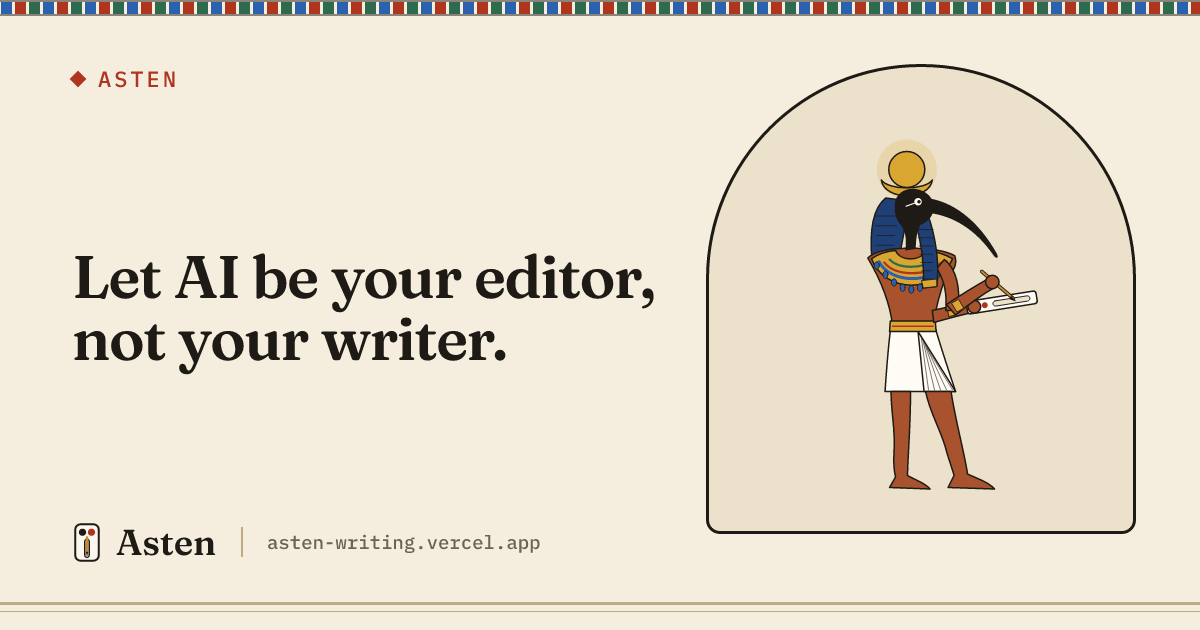
No mummy jokes, curses, or pharaoh kitsch. No invented hieroglyphic “text”: when we show real signs, we name them, and the cartouche name toy is labeled as a playful alphabet. Thoth is drawn with dignity, with his ibis head, lunar disk, palette, and pen. The painted plates are credited on the credits page; the drawings are original, made for Asten, in the spirit of the tradition. See the name.
Press kit downloads
Use these files unaltered when writing about Asten. For anything else, see the trademark policy or write to us.

Boilerplate: “Asten is a local-first writing app from Verne that remembers the facts of a story and marks contradictions in red, without ever writing prose. Its rule: let AI be your editor, not your writer.” See also the trademark policy.