Where Asten fits, and where it doesn’t.

Asten is one tool among many on a writer’s desk. Here is how it differs from the kinds of tools you may already use, and when one of those is the better choice.

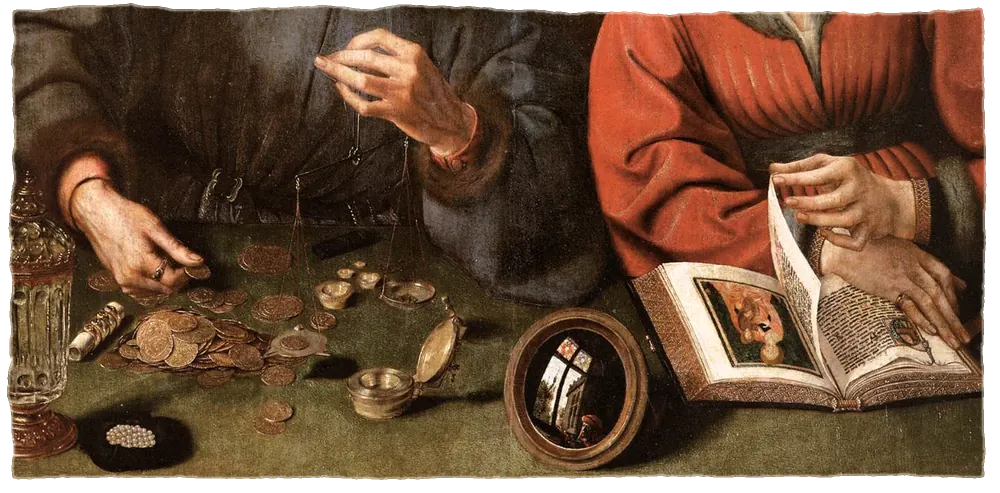
The hands of a moneylender weighing coins on a small balance, and of his wife turning the pages of an illuminated book.

In short

Asten is a local-first writing desk with continuity checks. Unlike AI story generators it never writes prose; unlike word processors it keeps a canon and checks the manuscript against it; unlike worldbuilding platforms its world tools are optional and wired to the manuscript; and unlike cloud tools it keeps every file on your computer.

Asten vs. ai story generators

Apps built around a model that drafts, continues, or rewrites prose for you.

What they do well

Produce sentences, scenes, and ideas on demand. Fast drafts, brainstorming, and getting unstuck.

What Asten does

Never writes a word. Remembers the facts you settle and marks contradictions, so the voice on the page stays entirely yours.

Choose a generator if you want help producing text. Choose Asten if you want help keeping your own text consistent.

Asten vs. general ai chat assistants

ChatGPT, Claude, Gemini, and similar assistants.

What they do well

Answer questions, brainstorm, and critique a passage you paste in, within the limits of one conversation.

What Asten does

Keeps a permanent, structured record of your story on your own machine and checks every page against it, deterministically.

Use a chat assistant for open-ended conversation about craft. Use Asten as the memory and the checker. They can sit side by side, and Asten never connects to them.

Asten vs. word processors

Microsoft Word, Google Docs, Pages.

What they do well

Rich formatting, review workflows, real-time co-editing, page layout.

What Asten does

A manuscript-focused desk with a binder and a canon. It compiles to .docx and invites Word and Docs in as guests.

Stay in Word or Docs for heavy review cycles and layout. Bring the manuscript into Asten when continuity is the problem.

Asten vs. manuscript organizers

Binder-style writing apps for long projects.

What they do well

Organize chapters, scenes, and research; flexible compile to many formats.

What Asten does

Organizes the same way, and adds a canon model with continuity checks and two clocks for story time.

If you need very detailed compile templates today, a mature organizer may suit you better. If you want your project to notice its own contradictions, try Asten.

Asten vs. worldbuilding platforms

Online wikis and apps for lore, maps, and timelines.

What they do well

Deep, shareable encyclopedias of a setting, often with publishing and community features.

What Asten does

Lighter, optional world tools (wall, atlas, dossier) wired directly to the manuscript’s continuity checks, and kept offline.

If your world is the product (a campaign setting you publish), a dedicated platform fits. If the novel is the product, Asten keeps the world in service of it.

Asten vs. spreadsheets and style sheets

A story-bible spreadsheet.

What they do well

Anything you can type, sorted any way you like. Free and flexible.

What Asten does

Turns the style sheet into facts that check themselves against the manuscript, with sources and story time.

A spreadsheet is fine until you stop updating it. Asten is for when you’d like the sheet to do some of the remembering.

Product names belong to their owners and are mentioned only to describe categories. Comparisons are general and reflect how these kinds of tools are typically designed, not the details of any particular version.

Try the pre-alpha

Open the workbench in your browser on a sample novel, or download release 0.0.1b for Windows or Linux.